

We can picture the sight, sound and feel of rain without much effort. Its smell is harder to pin down, yet it may be the most evocative part of the experience. That distinct, earthy fragrance that rises from dry ground the moment rain begins to fall has a name: petrichor. It also has a surprisingly rich body of science behind it, and it continues to be one of the most studied scents in the natural world.
Where the word Petrichor comes from
Petrichor was coined in 1964 by Isabel Joy Bear and Richard Thomas, two Australian researchers working at the CSIRO in Melbourne. Their short paper in the journal Nature combined two Greek roots: petra, meaning stone, and ichor, the fluid said to run through the veins of the gods in Greek mythology. It was a fitting name for a scent that seems to rise directly from the earth itself.
Bear and Thomas’s original research focused on the oils secreted by certain plants during dry spells. These oils settle onto clay, stone and soil like a fine varnish, building up over weeks or months of dry weather. When rain finally arrives, it releases those accumulated compounds back into the air. This process alone accounts for part of the petrichor effect, but it is only half the story.
What makes Petrichor: Geosmin
The second, and arguably more powerful, contributor to petrichor is geosmin, a compound produced by soil bacteria, particularly a group called actinomycetes. Geosmin is also responsible for the earthy taste in beetroot and the muddy flavor that can sometimes turn up in freshwater fish and wine.
What makes geosmin remarkable is how sensitive the human nose is to it. People can detect geosmin at concentrations as low as five parts per trillion, a sensitivity so acute that some researchers have compared it to a shark detecting a single drop of blood in the ocean. No one knows for certain why humans evolved this heightened response, but one widely held theory is that our ancestors learned to associate the scent of rain with water, fertile soil and, ultimately, survival.
How the Smell Reaches the Air
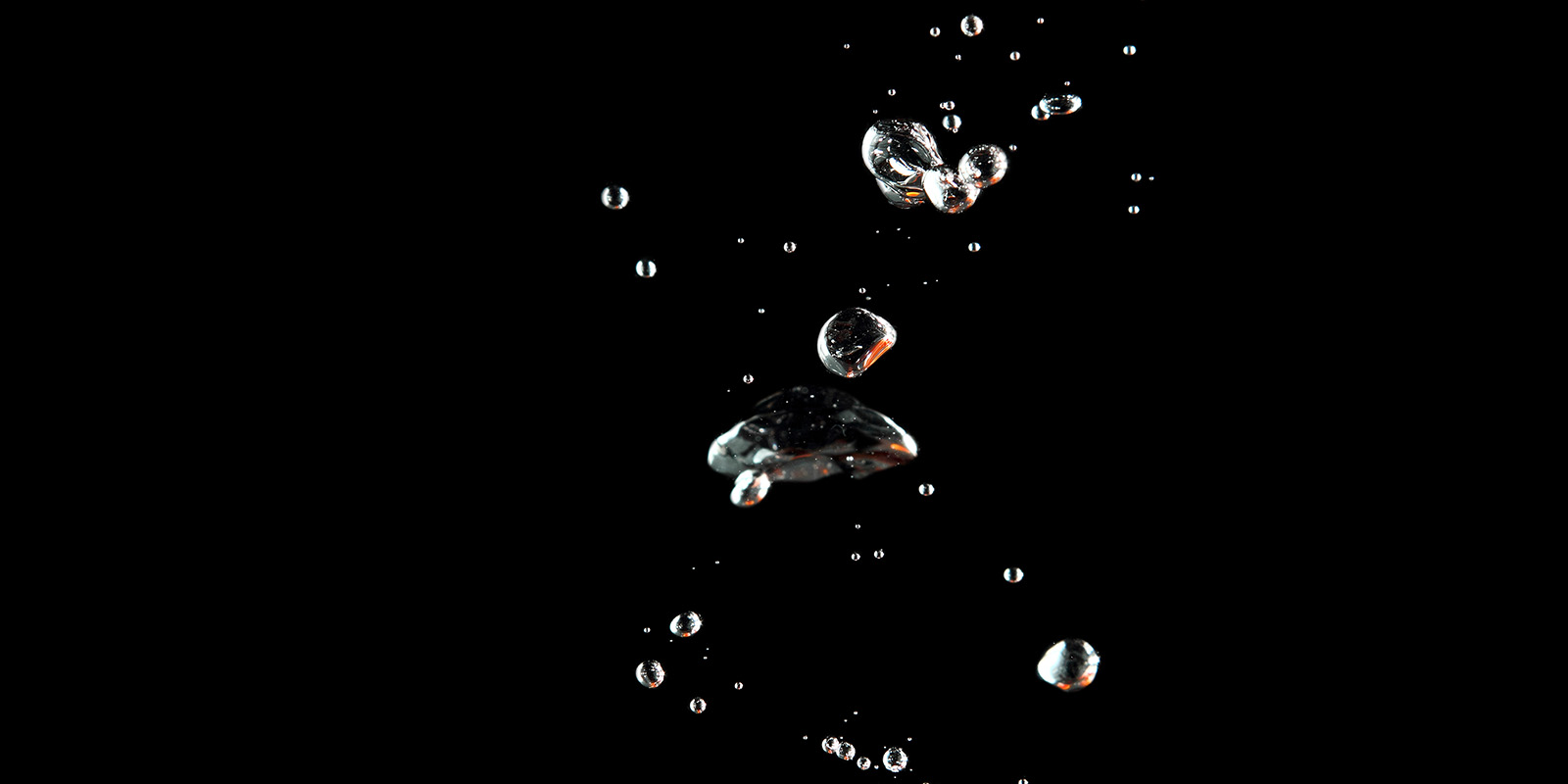
For decades, scientists could describe petrichor’s ingredients without fully explaining how the scent traveled from the ground into the air. That changed in 2015, when researchers at MIT used high-speed cameras to film raindrops striking a range of porous surfaces, from sandy loam to stone. The footage revealed that when a raindrop hits dry, porous ground, it traps a tiny pocket of air beneath it. That air forms a bubble, which rises up through the drop and bursts at the surface, much like a bubble in a glass of champagne. Each burst releases a fine mist of aerosol droplets, carrying with it geosmin, plant oils and even soil bacteria, and scatters them into the surrounding air. A single raindrop can generate hundreds of these aerosol droplets in a fraction of a second.
The MIT team also found something counterintuitive: gentle rain produces more petrichor than a heavy downpour. Light and moderate rainfall gives raindrops time to trap and release air bubbles efficiently, while a sudden downpour tends to flood the ground’s pores too quickly for the same aerosol effect to occur. It is one of the reasons the scent of rain is often most noticeable in the first few minutes of a light shower rather than during a storm. Wind and temperature play a role too. Warmer conditions increase microbial activity and help volatile compounds evaporate more readily, while a gentle breeze helps disperse the aerosols without diluting them the way strong wind can.
Petrichor Scent
Petrichor’s popularity has made it one of the most sought-after notes in modern perfumery, even though its exact natural formula has never been captured directly from rainfall. Instead, perfumers build an impression of it using earthy, green and mineral materials, most commonly patchouli, vetiver, oakmoss and moss accords, sometimes paired with the more elusive floral note of gorse. Petrichor also sits within a broader trend in perfumery towards unconventional, memory-driven scents, such as the scent of tape, a fresh tennis ball, or a laptop. These fragrances share petrichor’s core appeal: they work not by smelling conventionally pleasant, but by triggering a specific memory or emotional association the moment they are encountered. That is precisely the principle behind scent marketing. A well-chosen fragrance does more than fill a space with a pleasant smell. It shapes how people feel the moment they walk in, and what they remember once they leave.
Interested in developing a bespoke fragrance for your brand or space? Get in touch with Air Aroma to get started.
