
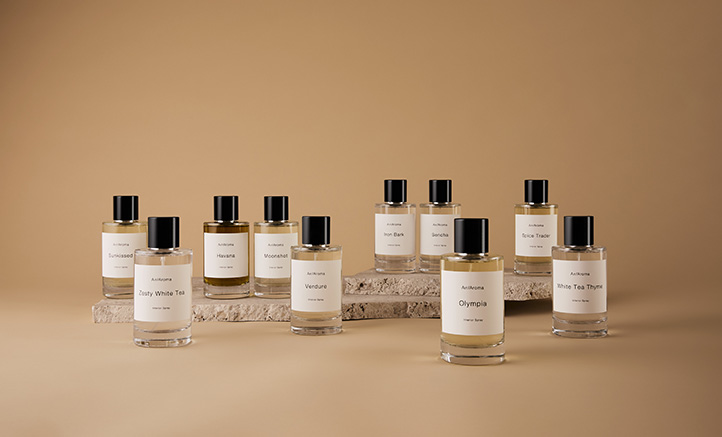
The sensory side of wellness considers all the senses in a well-designed space. Before any treatment begins in a medspa, every sense is engaged through a woven tapestry of elements; soft, well-placed lighting, soothing music at the right volume, high quality fabric in waiting room upholstery, and most notably, an inviting, pleasant scent. The same care and planning that goes into the design brief for these other elements should be equally applied to the room’s scent, as it directly affects the ambiance and resulting client perception, mood, and ability to connect and remember the brand. For Australian medspa owners and operators building a brand that competes on experience as much as outcomes, scent is one of the most under-leveraged tools available. It is also one of the most cost-effective, given the impact it has on how a space feels the moment a client walks through the door, whether that door is in Sydney, Melbourne, Brisbane, or Perth.
What the Science Says about Scent and Relaxation
Smell is the only sense with a direct line to the brain’s limbic system, the region responsible for emotion and memory. That direct connection is why a fragrance can shift someone’s mood or stress level almost instantly, often before they consciously register the smell at all. Aromatherapy research has long pointed to certain scent families, calming florals like lavender and bright, uplifting notes like bergamot among them, as effective at lowering anxiety and even measurably reducing heart rate. For a medspa, where clients often arrive carrying stress from their day or nerves about a treatment, that physiological calming effect is an essential part of the service. Scent also shapes perception in ways clients rarely articulate. A clean, well-composed fragrance reads as care and precision. An absence of scent, or worse, an inconsistent one, can quietly undercut a client’s sense that a space is meticulously run.
From Clinical to Comforting: Why Scent Matters
Medspas occupy a unique middle ground. They need to project medical credibility, appearing clean, safe, and clinically competent, while still delivering the comfort and indulgence clients associate with a spa visit. Getting that balance right is one of the harder design challenges in the wellness industry, and Australian clients in particular have come to expect a level of considered, design-led hospitality from the aesthetic clinics they choose. Scent is one of the most effective tools for closing that gap. The right fragrance softens a space without compromising the sense of professionalism a medspa depends on. It reassures clients that they are in capable hands while making clear this is not a sterile medical office.
This is precisely the brief Air Aroma has worked through with aesthetic and wellness clients across Australia. Akmē, an aesthetic salon brand with two locations in Australia, is a strong example of this balance done well. The brand’s interiors lean into natural patinas and elegant, considered materials, and the signature scent Air Aroma developed for the space was built to match that sensibility: an aromatic, spicy composition of fig leaves, rose, saffron, and suede that reflects the brand’s luxe sensuality. It’s diffused across both salons, reinforcing a warm, harmonious environment the moment clients step inside.

Scent as a Brand Signature
Consistency is what turns a pleasant smell into a brand asset. A signature scent, diffused identically across every location, becomes something clients associate specifically with a brand rather than with wellness spaces in general. Over time, that association becomes a form of brand recall that operates entirely below conscious awareness.
Akmē has taken this further by extending its signature scent beyond the salon walls into private label room sprays clients can purchase. Presented in elegant packaging that mirrors the brand’s aesthetic, the sprays let clients carry the salon experience home with them, deepening the brand connection well past the appointment itself and turning a single scent into a recurring, tangible touchpoint. Air Aroma has developed signature scent programs for a range of other Australian aesthetic and medspa brands as well, including Sskin, each tailored to reflect that brand’s specific positioning and client experience.
Crafting the Perfect MedSpa Fragrance
Not every fragrance profile suits a medical aesthetics environment. The most effective medspa scents tend to draw from a few core families:
Clean florals that read as fresh and considered rather than sweet or heavy
Soft woods, like sandalwood or cedar, that add warmth and grounding
Citrus-herb blends that feel bright, energising, and precise
The right choice depends entirely on brand personality. A modern, minimalist medspa calls for a different olfactory signature than a holistic wellness brand or a maximalist, editorial-style clinic like Akmē. The fragrance should feel like a natural extension of the interior design and brand voice, not an afterthought layered on top of it.
Diffusion method matters just as much as the fragrance itself. Some medspas integrate scent directly into their HVAC system for even, whole-space coverage. Others prefer standalone diffusers in reception and waiting areas, giving them more granular control over where and how strongly a scent is experienced. Many brands also extend their signature scent into retail, candles, room sprays, and oils that let clients bring the experience home, which, as Akmē’s private label sprays demonstrate, can become a meaningful secondary revenue stream in its own right.
The Business Benefits of Scent Branding
Beyond the emotional and brand impact, scent branding delivers measurable business value. A space that feels calming and considered tends to keep clients on-site longer and encourages a slower, more relaxed pace, both of which support a stronger perceived value for the visit. Consistent, positive scent associations also reinforce brand recall in a way visual branding alone cannot replicate. Retail is the other clear opportunity. A well-executed signature scent gives medspas a natural, on-brand product to sell at the front desk, that clients want in their own homes precisely because it reminds them of how the clinic made them feel.
For Australian medspas navigating the space between clinical trust and spa-level comfort, fragrance is one of the few design elements capable of doing both jobs at once: reassuring clients of the brand’s professionalism while making the space feel genuinely welcoming. Fragrance deserves the same intentional design process as the visual and physical space.
Get in touch with us if you’re looking to scent your medspa or aesthetics wellness space.